

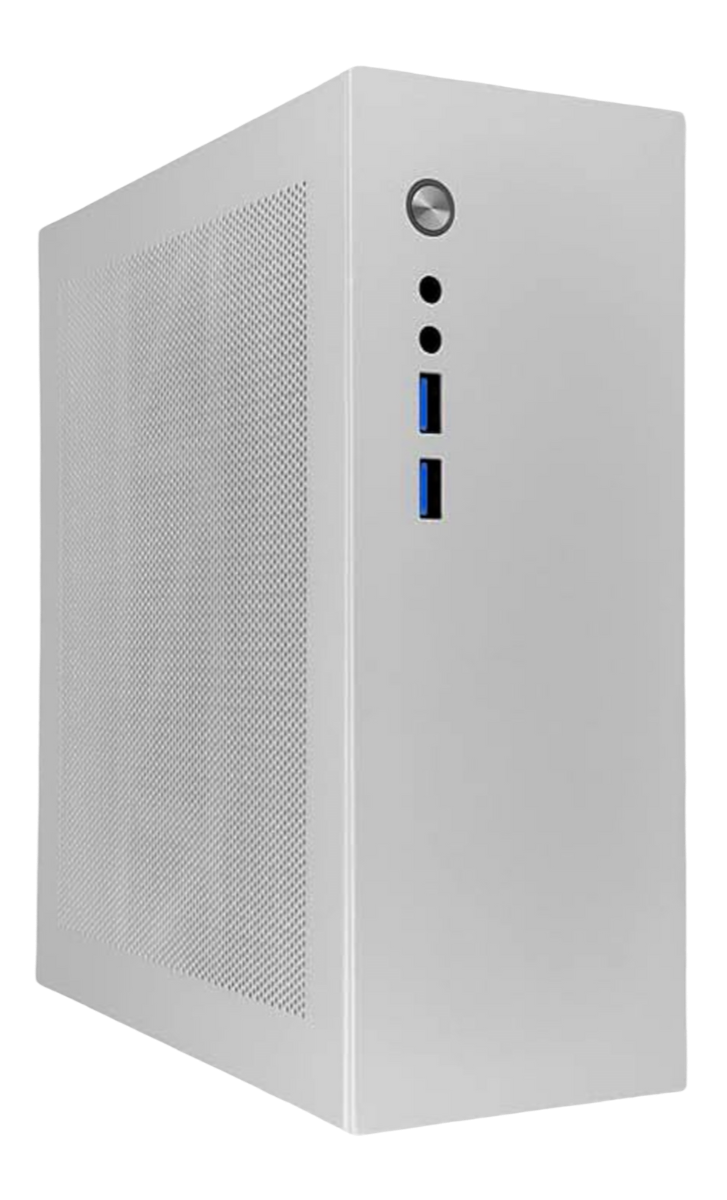
Secure Your Data
With Local Hardware
Companion Intelligence Severs arrive with Companion HUB, with access to an OSS marketplace of locally-hosted apps that can be downloaded and run from anywhere.

Hardware Comparison
A home-base for your personal data and local inference processes.
| Category | Companion Core | NVIDIA DGX Spark | Mac mini (M4) | Mac Studio (M4 Max RAM comparable) |
|---|---|---|---|---|
| CPU Platform | AMD Ryzen™ AI Max+ 395 (soldered) · 3.0GHz base · Up to 5.1GHz max boost · 16-core/32-thread · 64MB L3 Cache · 120W sustained / 140W boost | NVIDIA Grace Blackwell 20-core Arm · 10 Cortex-X925 + 10 Cortex-A725 | Apple M4 14-core CPU | Apple M4 Max 16-core CPU |
| GPU | AMD Radeon™ 8060S · Up to 2.9GHz · 40 Compute Units · 32MB MALL Cache | Blackwell GPU | Integrated GPU (20-core) | Integrated GPU (40-core) |
| Memory | 128GB unified · ~256 GB/s | 128GB unified · ~273 GB/s | 64GB unified · ~273 GB/s | 128GB unified · ~273 GB/s |
| Storage | 2TB NVMe (Upgradable to 16 TB) | 4 TB NVMe (Upgradable to 8 TB) | 2 TB (Not upgradable) | 2 TB (Not upgradable) |
| AI Performance | Up to ~200B parameter models | Up to ~200B parameter models | Up to 80B parameter models | Up to ~200B parameter models |
| Price | ~$5,200 | $4,699 | ~$3,199 | ~$5,799 |
Personal servers used for inference
The core differentiator: data ownership, system design for personal AI, and independence from cloud services.
| Factor | Companion Core | NVIDIA DGX Spark | Mac mini (M4) | Mac Studio (M4 Max) |
|---|---|---|---|---|
| Data stays local | ✓ | ✓ | ✓ | ✓ |
| System designed for personal AI | ✓ | ✗ (enterprise) | ✗ | ✗ |
| No cloud dependency | ✓ | Partial | ✗ | ✗ |
| Built-in memory system | ✓ | ✗ | ✗ | ✗ |
| Turnkey AI system | ✓ | ✗ | ✗ | ✗ |
Out of the box AI capabilities
A home-base for your personal data and local inference processes.
| Capability | Companion Core | NVIDIA DGX Spark | Mac mini (M4) | Mac Studio (M4 Max) |
|---|---|---|---|---|
| Local AI (LLMs) | ✓ | ✓ | ✓ (GPU dependent) | Moderate (memory constrained) |
| Multi-agent workflows | ✓ | Limited | Limited | ✗ |
| Persistent memory system | ✓ | ✗ | ✗ | ✗ |
| App ecosystem (local-first) | ✓ | Enterprise-focused | macOS apps | macOS apps |
| Out-of-box AI system | ✓ | Partial (enterprise setup) | ✗ | ✗ |
120B vs 32B Model Comparison
Tradeoffs between 120B-class models and 32B alternatives for Companion deployments.
| Feature | 120B Model | 32B Model |
|---|---|---|
| Primary Use | High-reasoning agentic tasks | Standard conversation & light automation |
| Context Window | ~131K tokens | ~41K tokens |
| Reliability | High; manages multi-step tool calls | Moderate; may fail at complex tool use |
| Reasoning | Native "Thinking" / configurable depth | Generally limited to base instructions |
| Hardware Req. | 60GB–80GB VRAM (e.g., H100) | 24GB+ VRAM (e.g., RTX 3090/4090) |
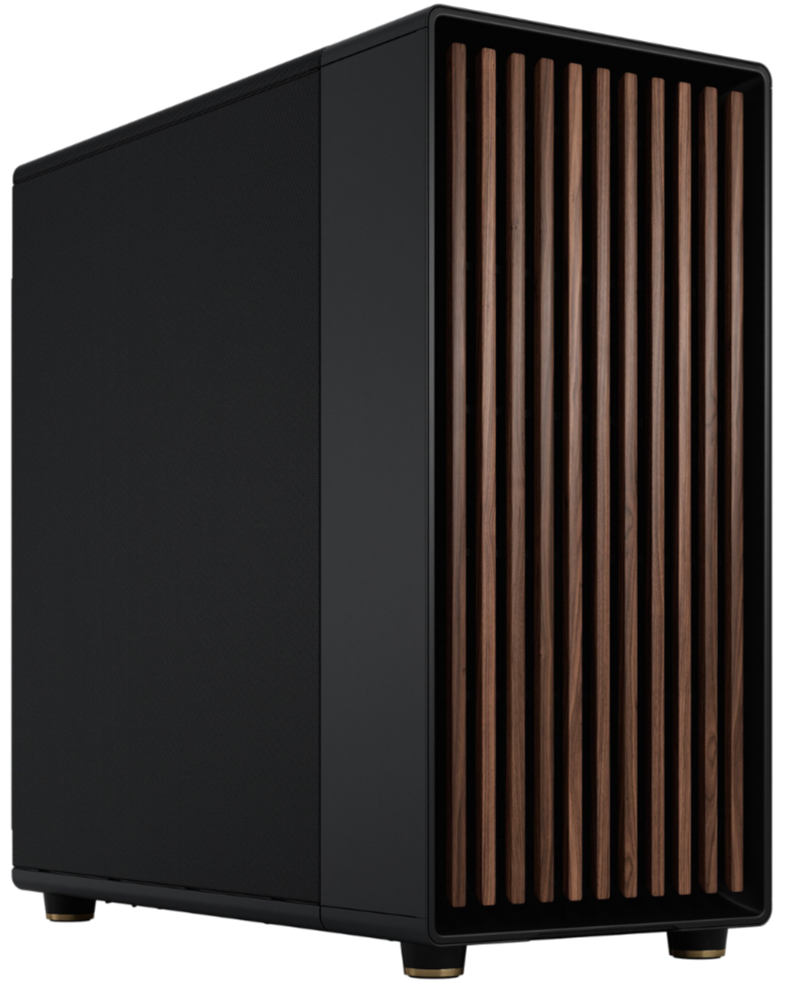
The cloud rents intelligence.
COMPANION INSTALLS IT.
| Category | Companion Intelligence | Cloud AI Services |
|---|---|---|
| Where inference runs | On your hardware | Remote data centers |
| Where memory lives | On your device | Provider-controlled servers |
| Data control | User-controlled | Subject to provider policies |
| Code transparency | Open-source OS, inspectable | Proprietary, opaque |
| Subscription model | Hardware ownership + optional app subscription | Recurring usage-based fees |
| Compute visibility | Visible, tangible local compute | Abstracted behind API calls |
| Remote access | Secure via PORTAL layer | Native cloud-hosted access |
| App ecosystem | Local-first HUB marketplace | SaaS marketplaces |
| Vendor lock-in | Exportable data + user control | High switching cost |
| Offline capability | Fully functional locally | Limited |
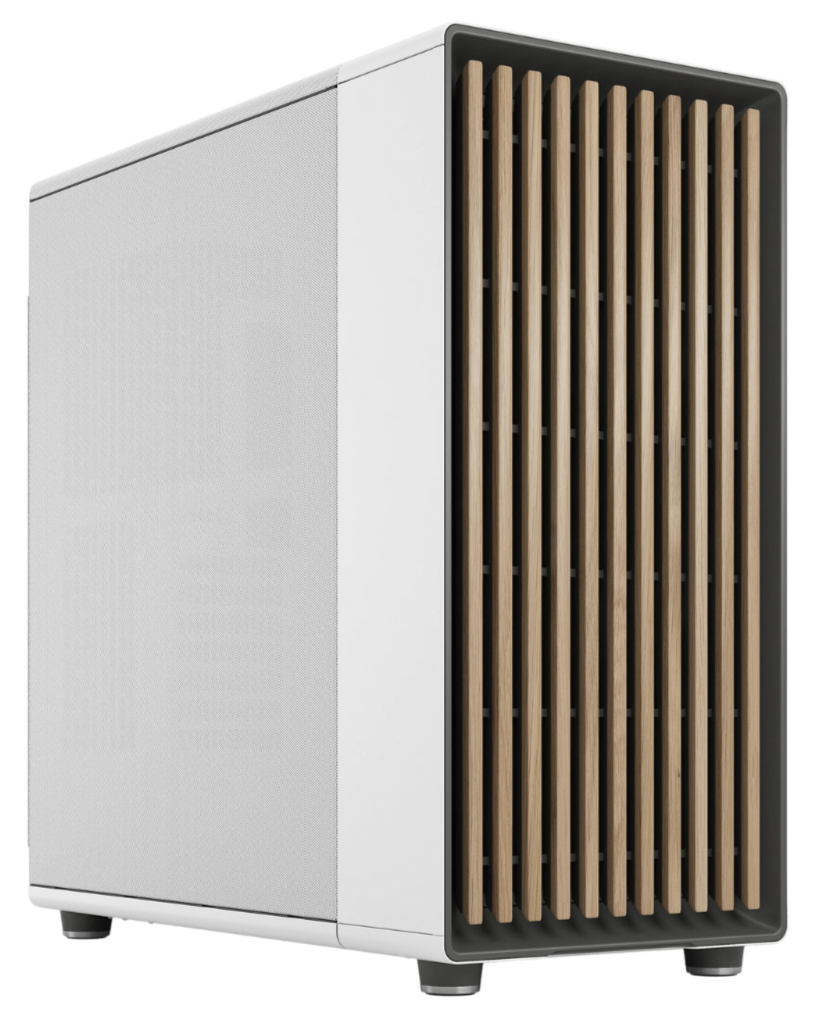
CORE SERVERS
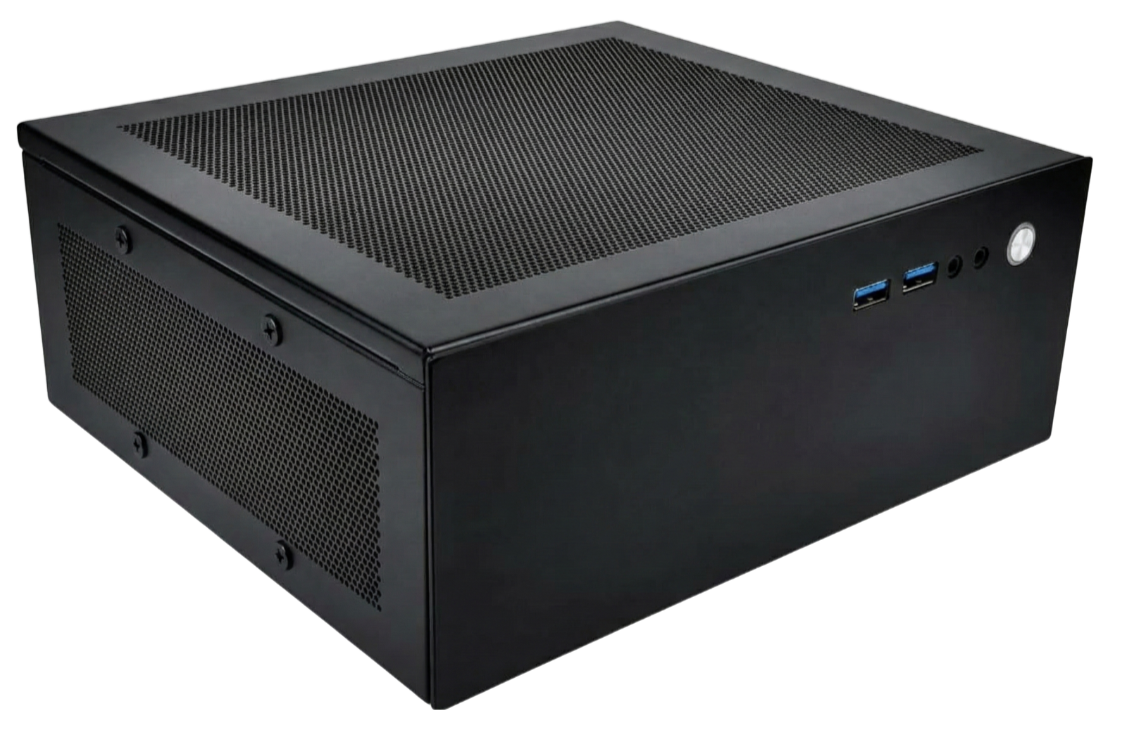
AMD AI Max+ 395 | 128GB APU | Radeon™ 8060S Graphics
2TB NVMe Storage | 500W
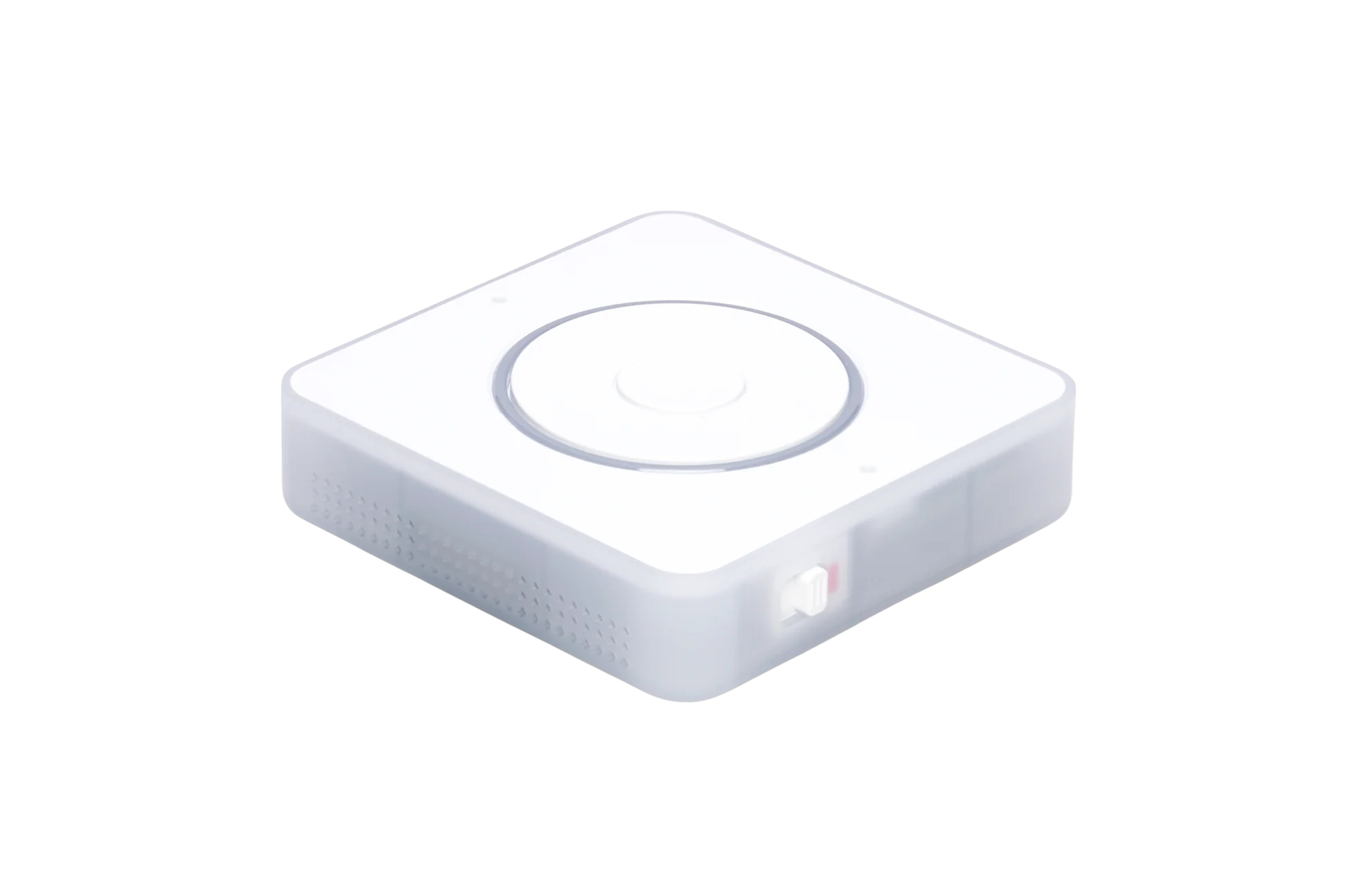
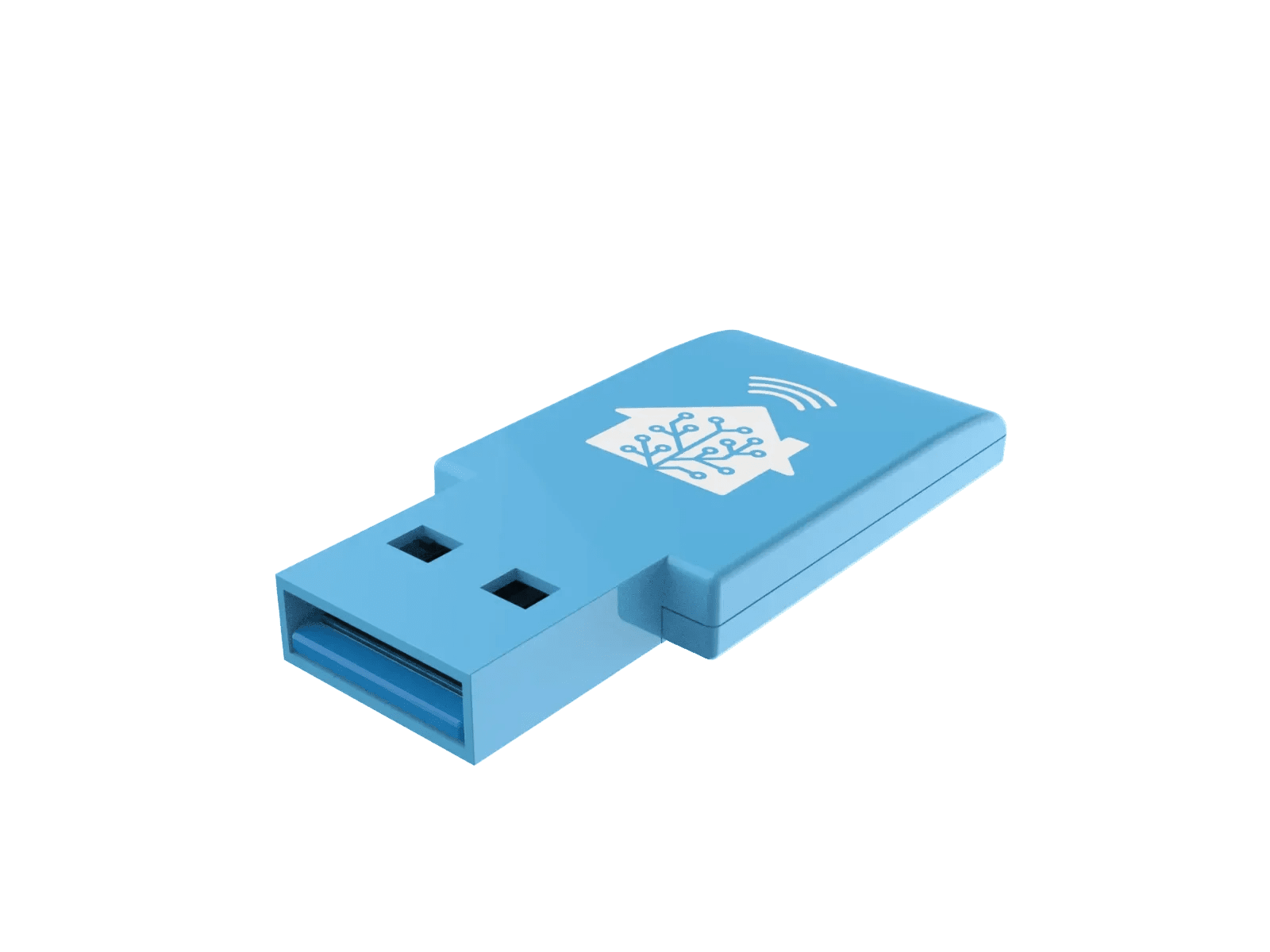
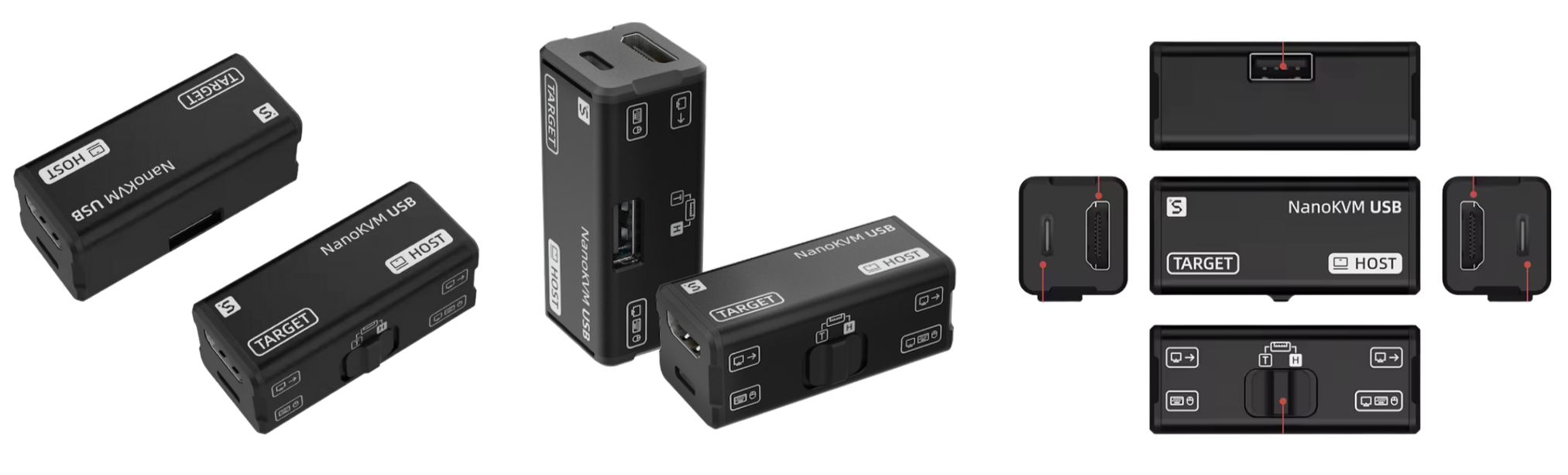
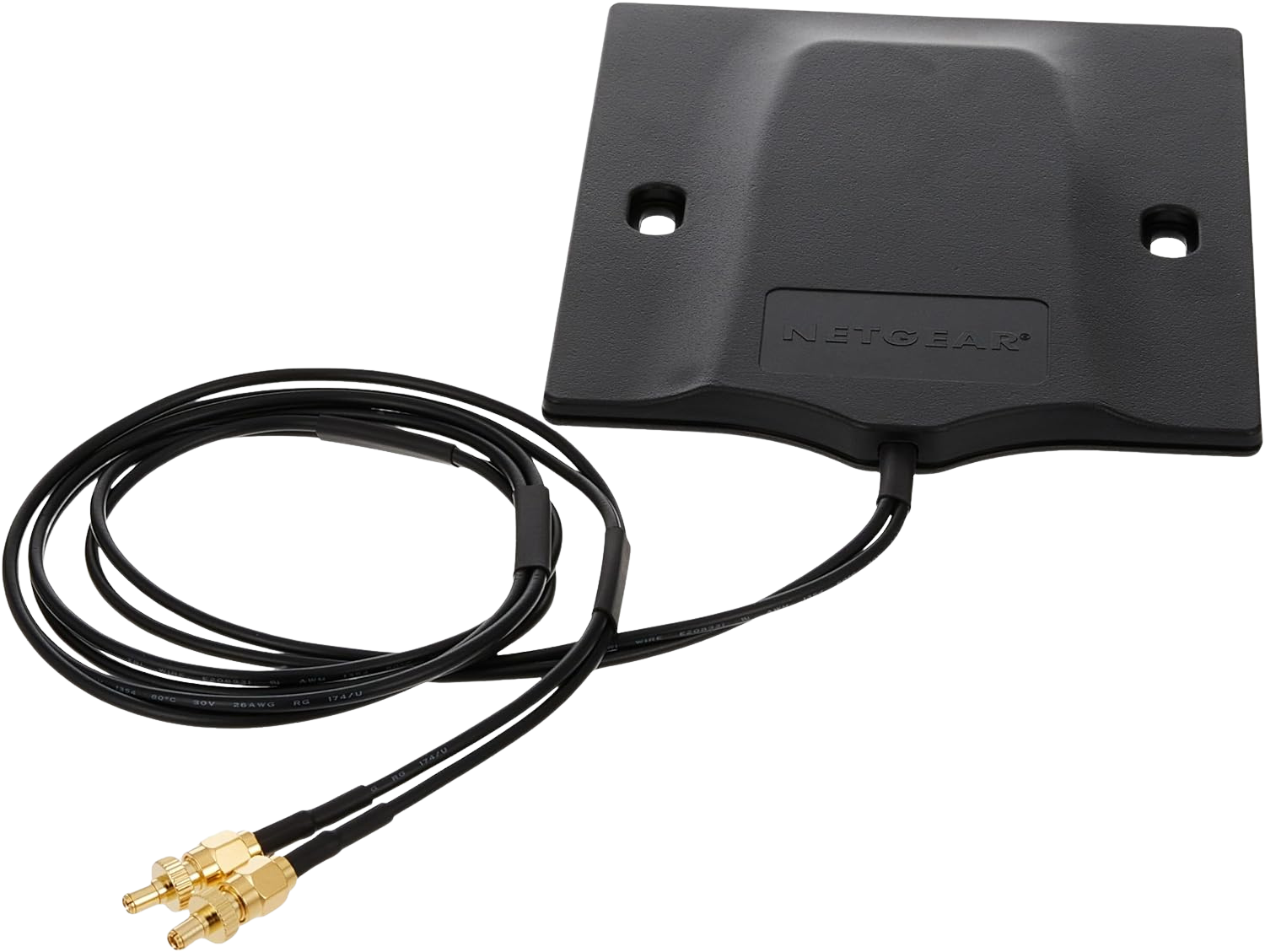
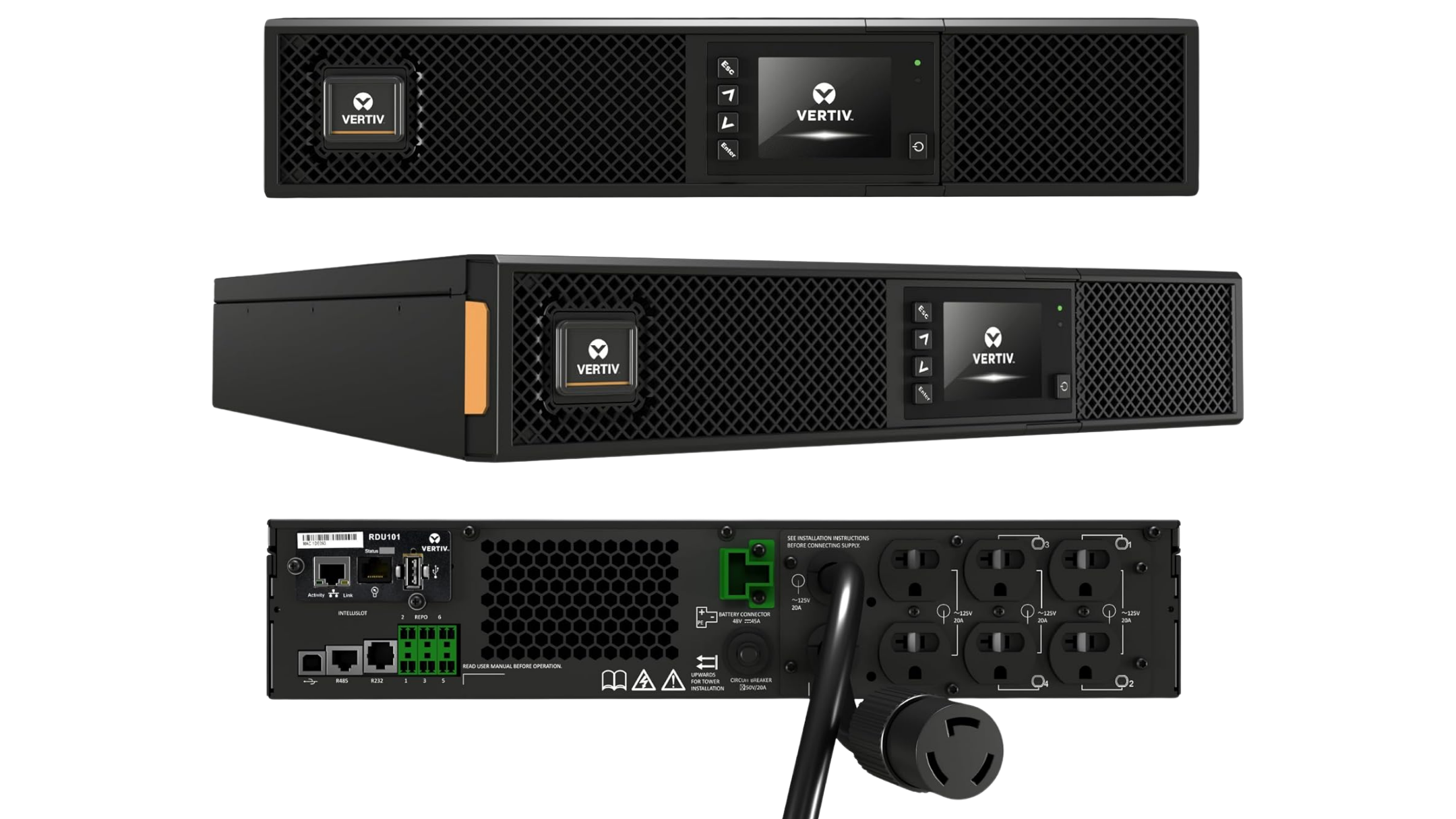
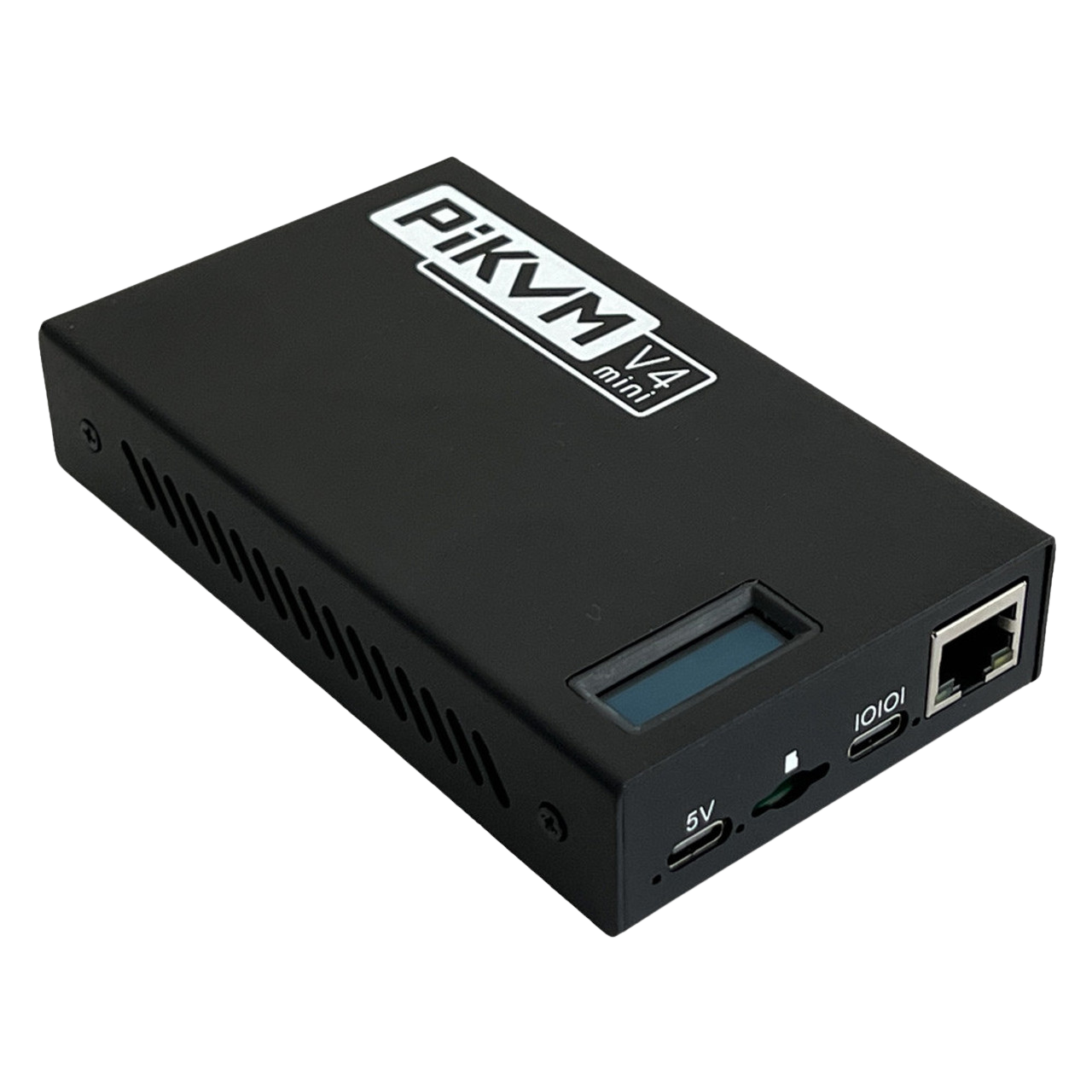
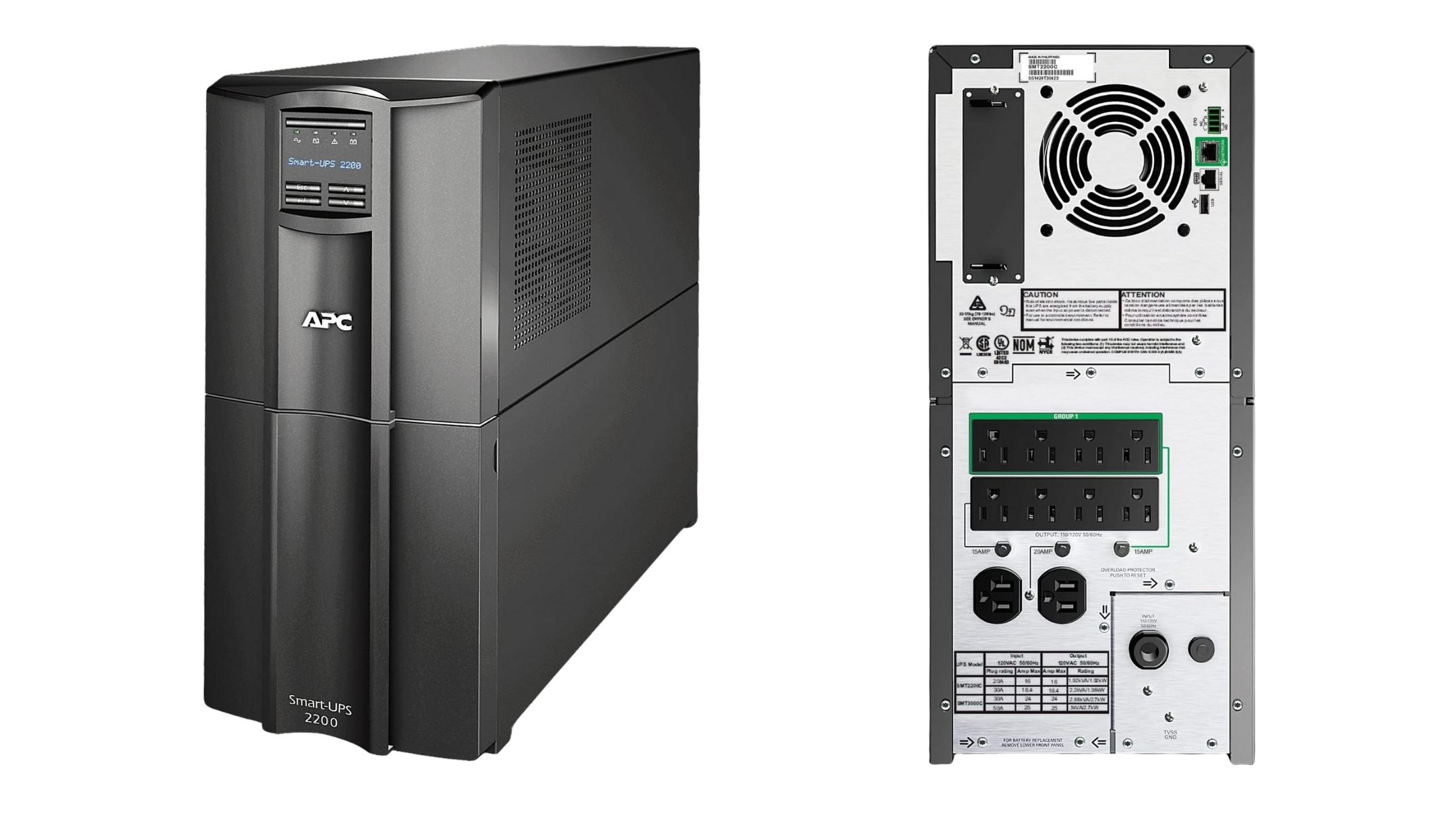
UPS Batteries | 5G Modems | IP KVM Remotes | Home Automation IOT
TAKE YOUR HOME SERVER
TO THE NEXT LEVEL
WITH ACCESSORIES


Policies
Returns, Refunds & Warranty
Returns & refunds
- Full refund: cancel within 48 hours of purchase if the order has not entered production or shipment.
- Restocking fee: if the order has entered production or is being prepared for shipment, a $200 restocking fee applies.
- Shipped orders: refunds for shipped products follow the terms in the customer’s Affirm financing agreement.
- Refund timing: approved refunds are issued within 7–10 business days after inspection.
Non-returnable items
- Custom-configured hardware once shipped or used.
- Software, licenses, and digital downloads once delivered.
- Final sale items marked non-refundable at checkout.
How to start a return (RMA required)
Email support@ci.computer to request an RMA number. Returns without an RMA are not accepted. Pack the item securely in original packaging.
Warranty
- 1-year limited hardware parts warranty covering defects under normal use.
- 2 years labor for support and repair work.
- Shipping: CI covers shipping on replacement parts in year 1; When customer requires service, customer pays inbound shipping only.
- Repair timeline: typically 5–15 business days + shipping..
Support contact
Email: support@ci.computer
Phone: 949 829 1286