UnCloud Today with an AI That YOU Own
Understanding Employee AI Fears
Employees know ChatGPT can expose client data, yet they paste it in anyway. Here is why chat design beats policy, and how teams can close the gap.
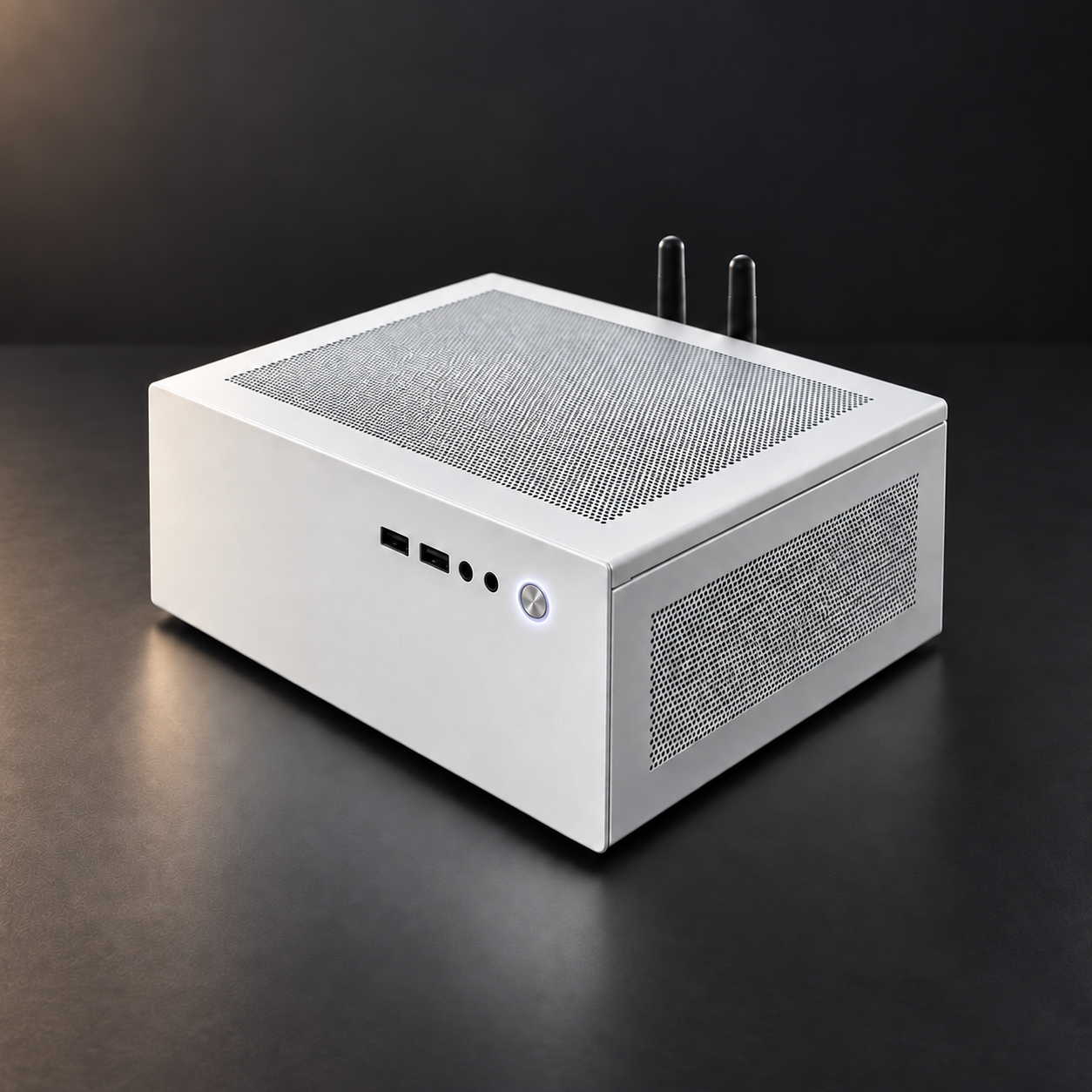
Does Your AI Tool Read Your Conversations?
A teen asks a tablet to explain photosynthesis. The answer feels instant, but the prompt just left your house. Cloud AI stores and may review what you type under rules you don't set. Run AI on your own network and the boundary becomes physical, not contractual. Keep notes, photos and calendars local; send only public tasks out. You'll need 12–24GB of GPU memory and at least 15 GB RAM.
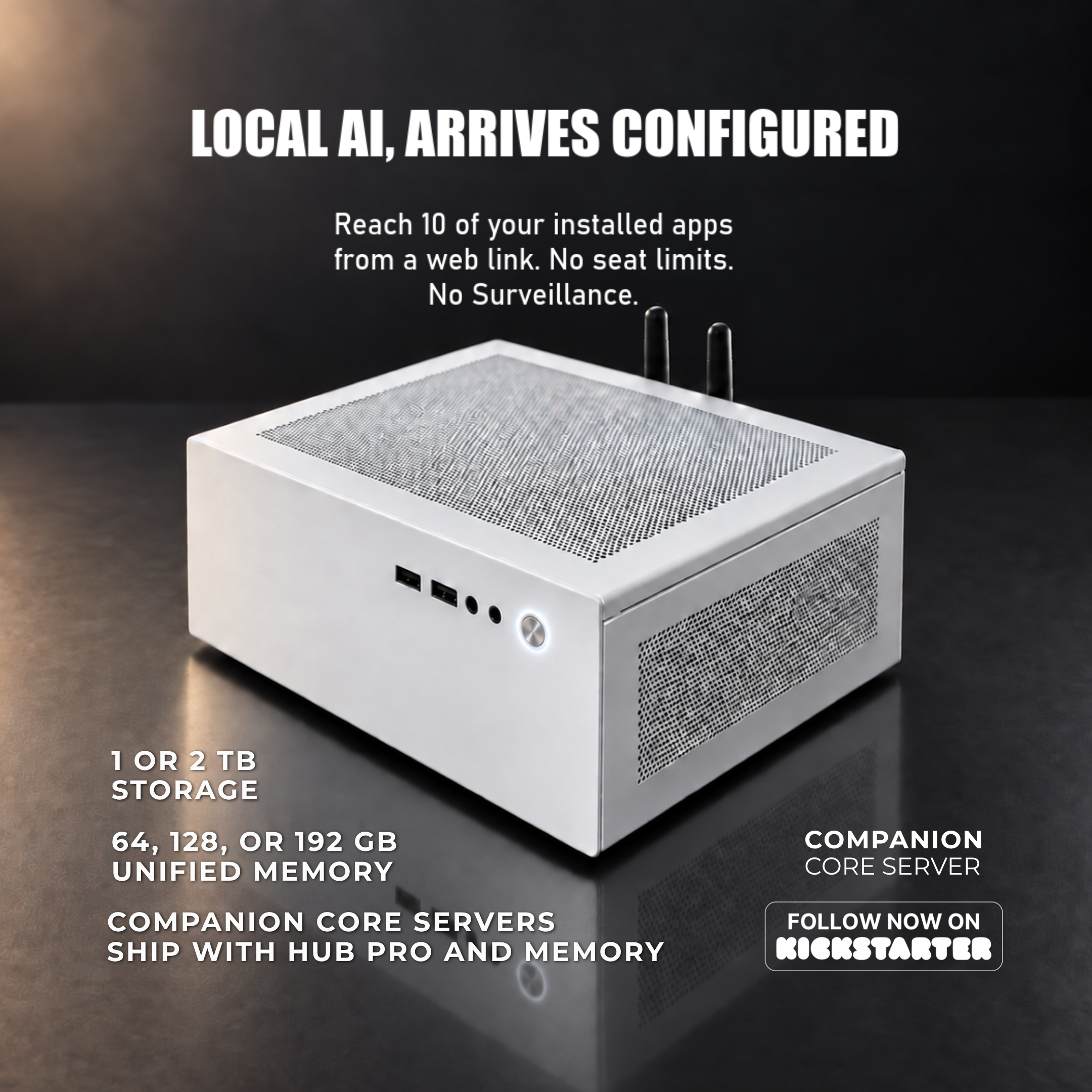
Can I Run Local AI Models on My Home Computer?
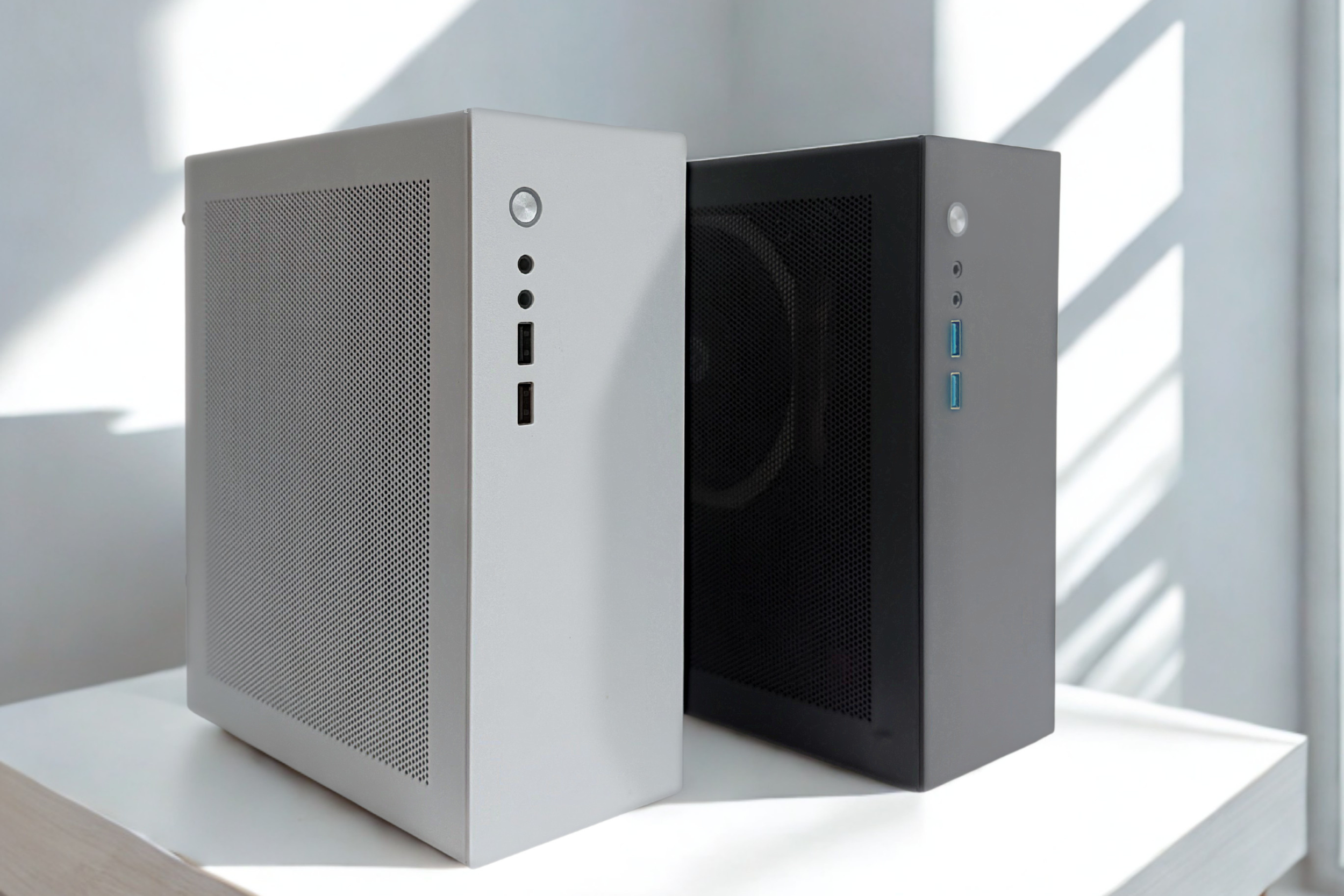
Can your computer run AI at home? Probably. Memory is what matters: 16GB runs small models, 32–48GB hits the sweet spot, and 70B-class models need 64GB+. Free apps like LM Studio and Jan get you chatting with no code. Pay $200/mo for AI? A dedicated box can pay for itself in 1–2 years. Need 70B power? Companion Core is on Kickstarter from $3,200.
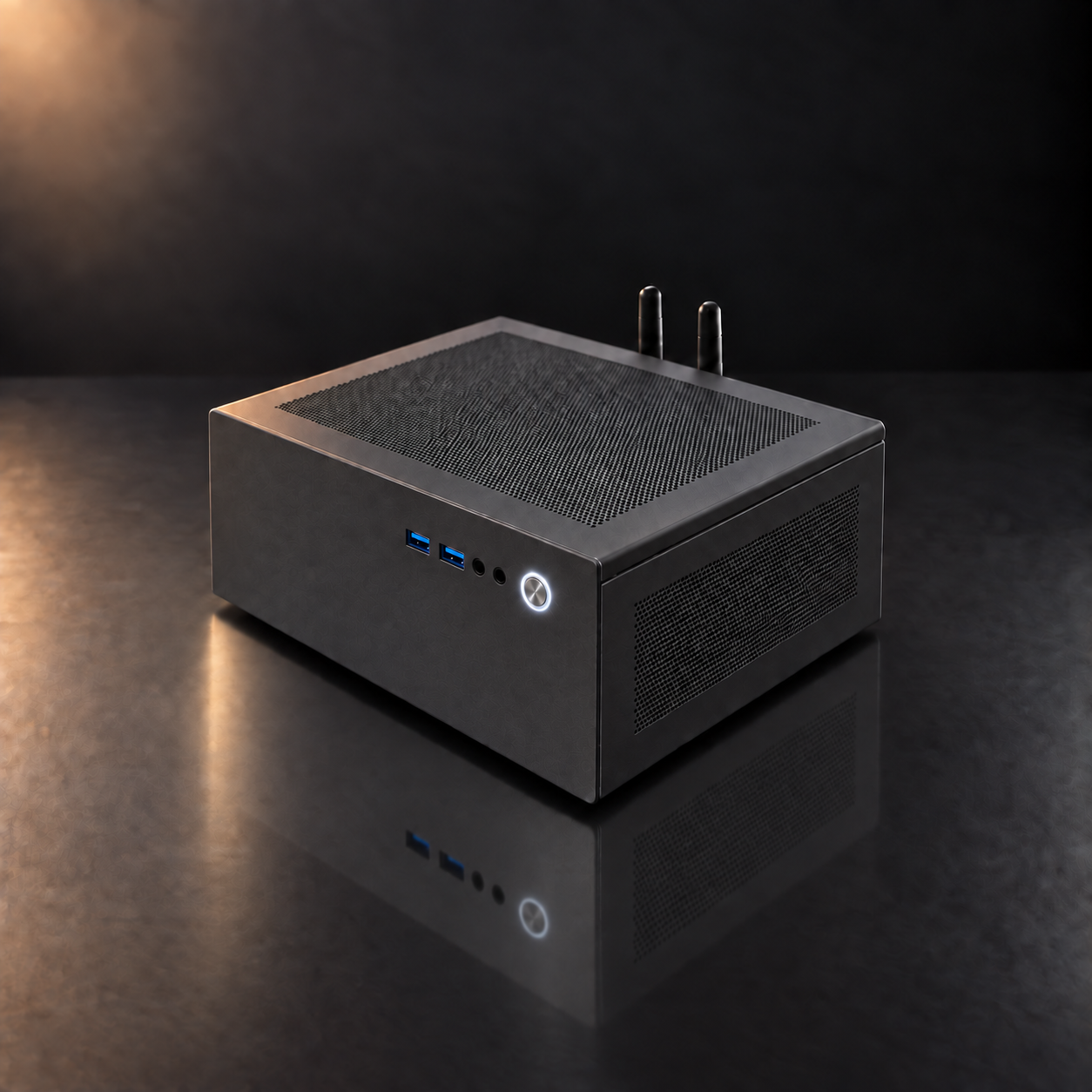
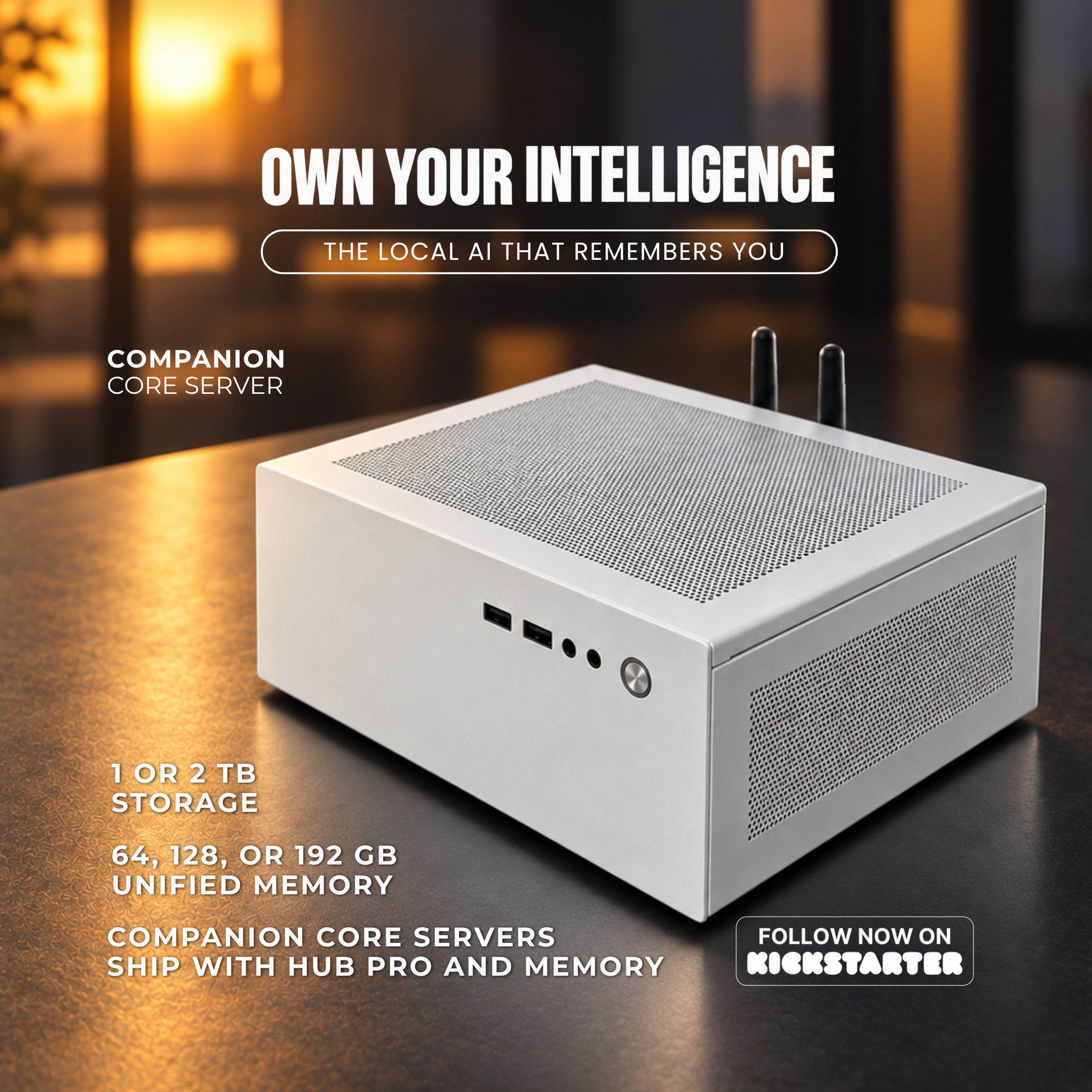
Local AI for The Technically Not Technical Small Business Owner
Not a developer? You don't need to be anymore. In 2026, local AI installs like any app, and Companion Hub makes it one click. Keep contracts, meeting audio and client files on your own hardware. The honest math: light $20/mo ChatGPT users won't break even on a Core, but Pro users and teams will. Lawyers, accountants and anyone under NDA may find privacy alone worth it.
Open Source Apps to Help You Get Off The Cloud
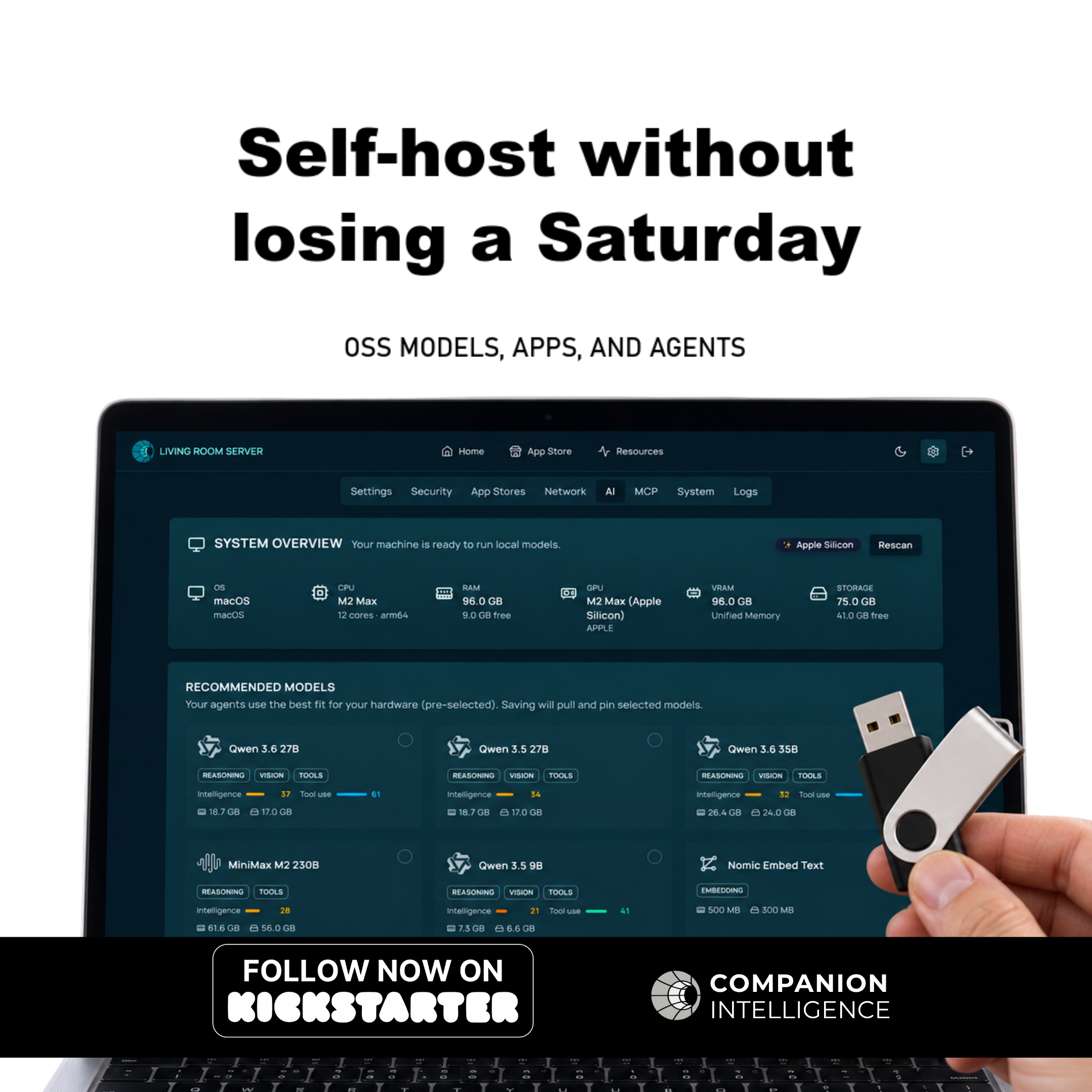
Your cloud subscriptions add up to a car payment. You just stopped noticing. In 2026, nearly every one has a free self-hosted swap: Immich for Google Photos, VaultWarden for 1Password, Jitsi for Zoom, Documenso for DocuSign. Companion Hub makes them one-click installs. Replace five apps, save ~$1,979 over three years. Start with one.
Is a Personal AI Server Worth It If You Are Not a Developer?
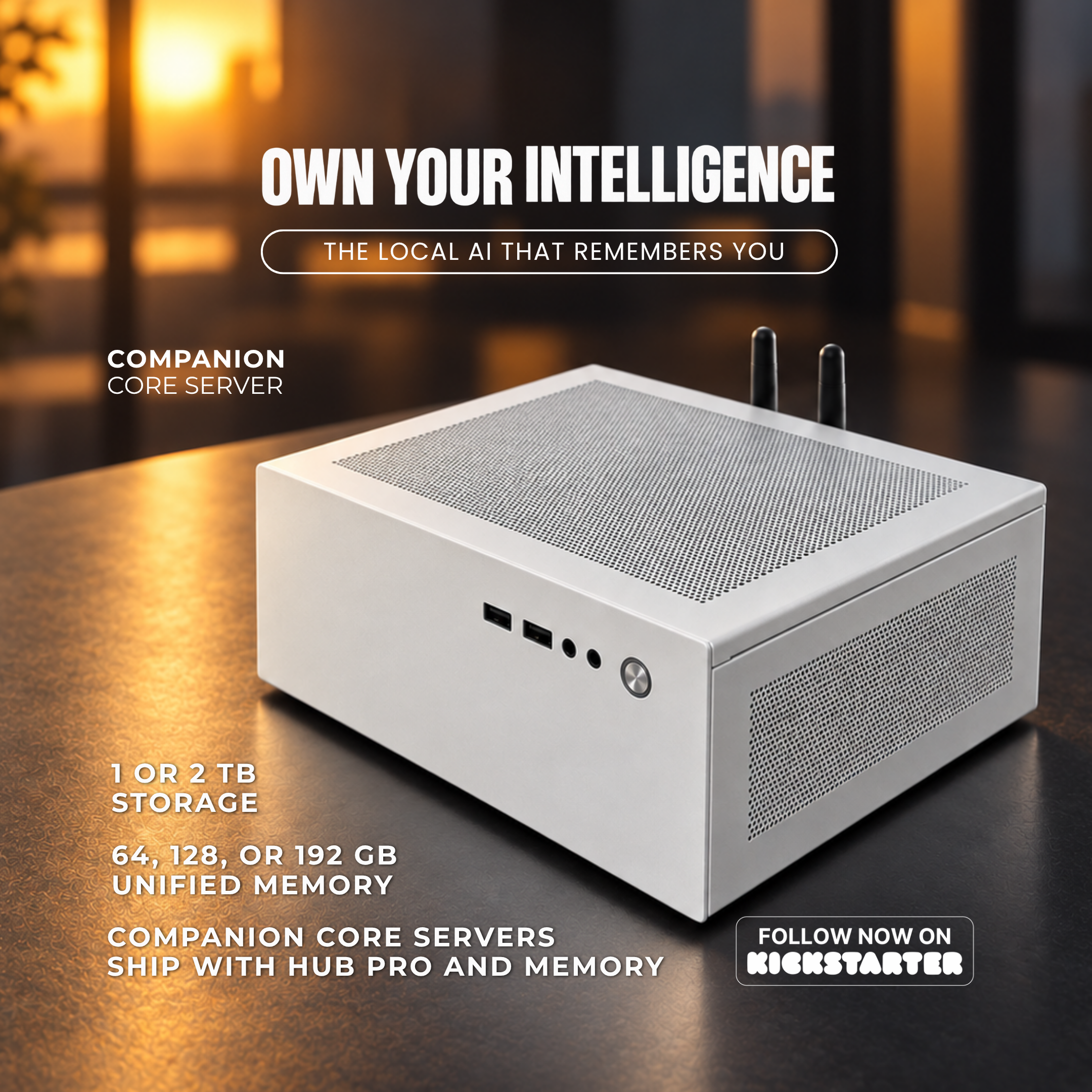
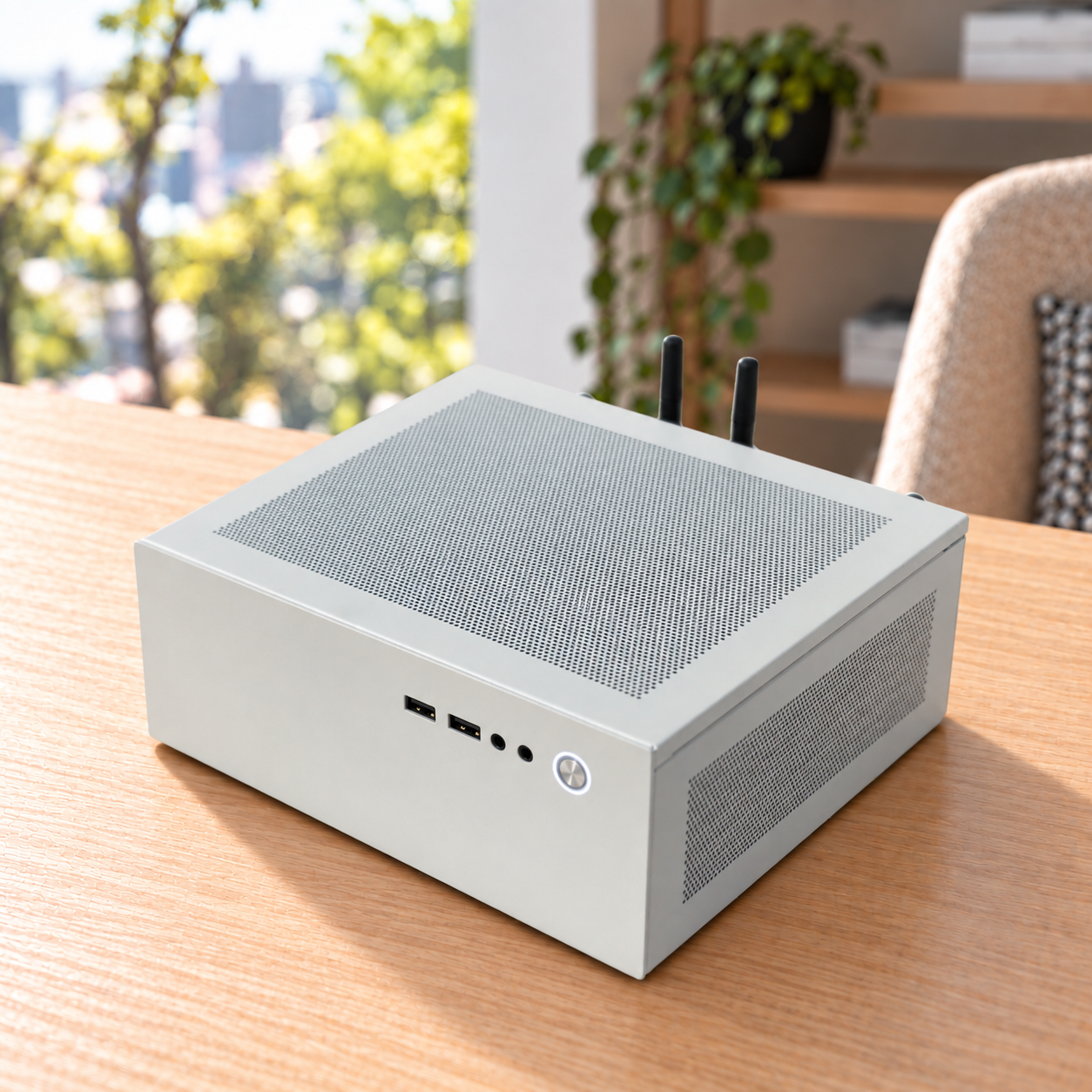
Yes, with honest caveats. For a non-developer entrepreneur in 2026, a personal AI server is worth it if you care about privacy and want to use AI — full stop — but the cost of local can be intimidating. Let’s discuss the math.
Which OneDrive Plans Did Microsoft Retire, and Are Personal Accounts Affected?
Microsoft retired standalone OneDrive for Business Plan 1 and Plan 2 in 2026, but personal OneDrive and bundled Microsoft 365 accounts are not affected. This guide explains the renewal deadline, what happens to files, and how Syncthing, Nextcloud, or Companion Hub can replace standalone OneDrive with self-hosted storage.
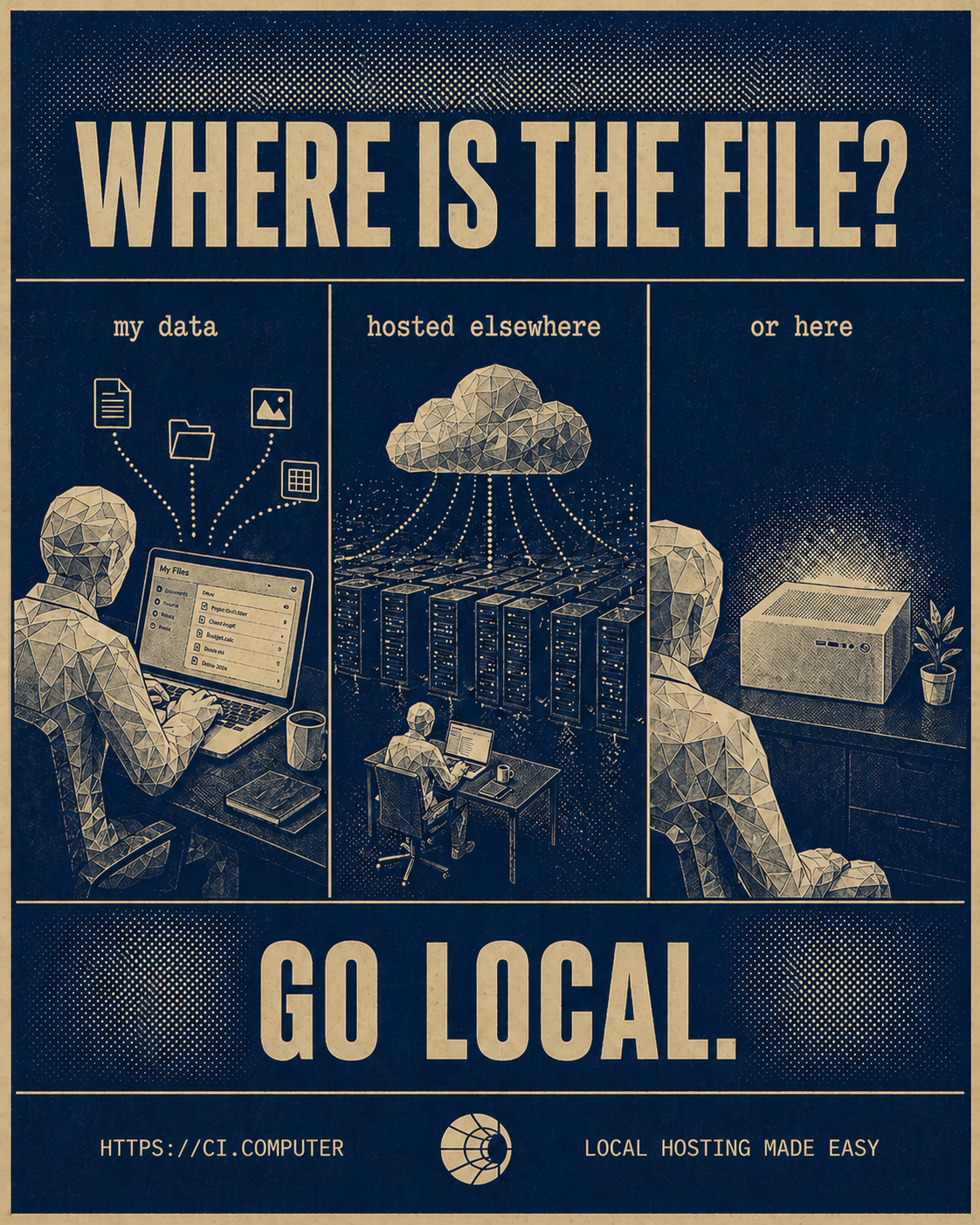
What Data Leaves Your Device When You Use Apps On A Self-Hosted Server?
Self-hosting keeps the important content on hardware you control: files, photos, messages, and AI prompts. But some network traffic still leaves, including DNS lookups, certificate checks, time sync, app updates, push notifications, and federation metadata. This guide explains what stays local, what still leaks, and how to reduce it by changing the architecture.
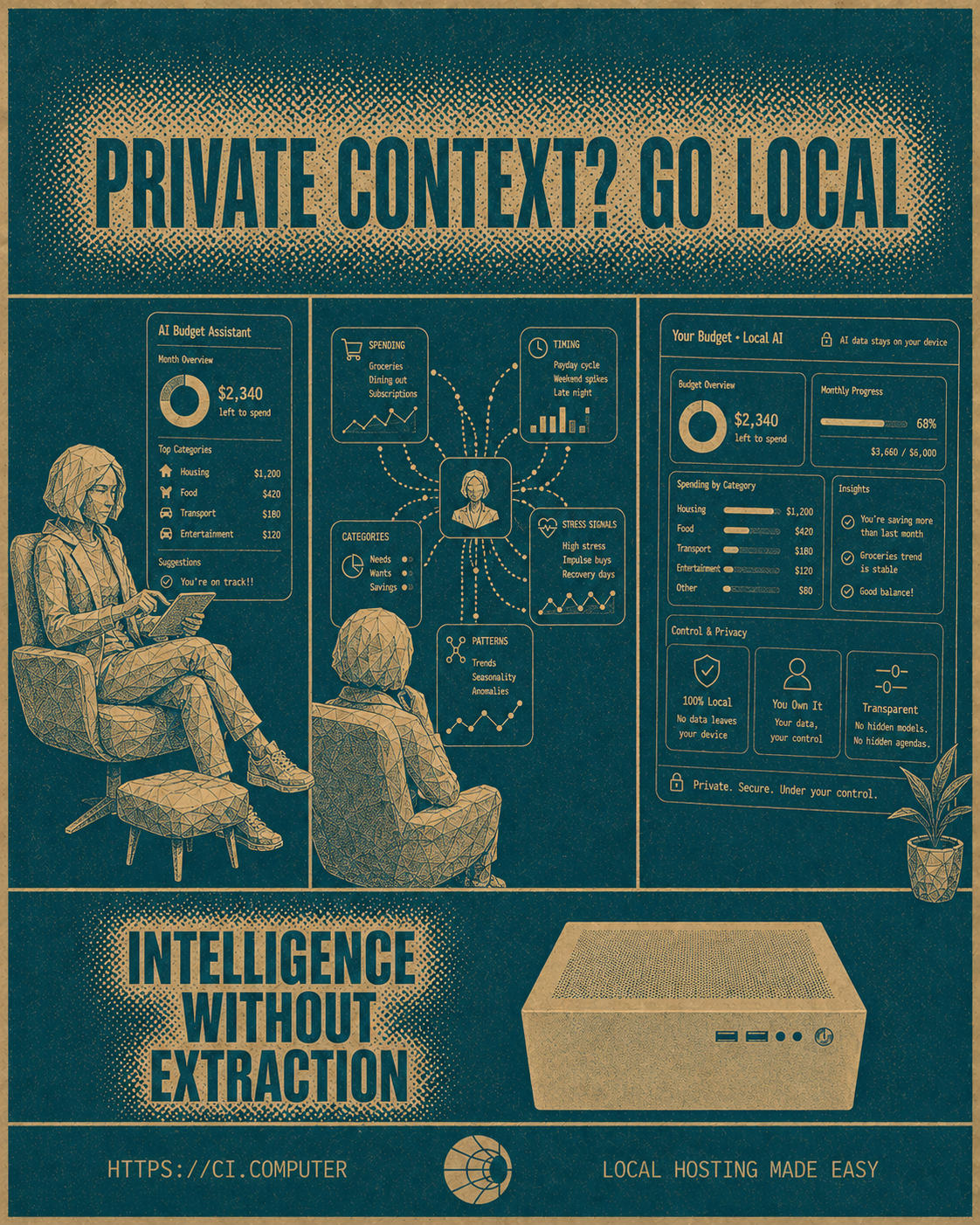
Protecting Your Family’s Information
A family can move photos, files, passwords, contacts, and calendars off the cloud and onto hardware they own without learning to code. This guide explains what self-hosting looks like in 2026, which apps replace cloud services, what “no coding” really means, and where Companion Hub removes the terminal entirely.
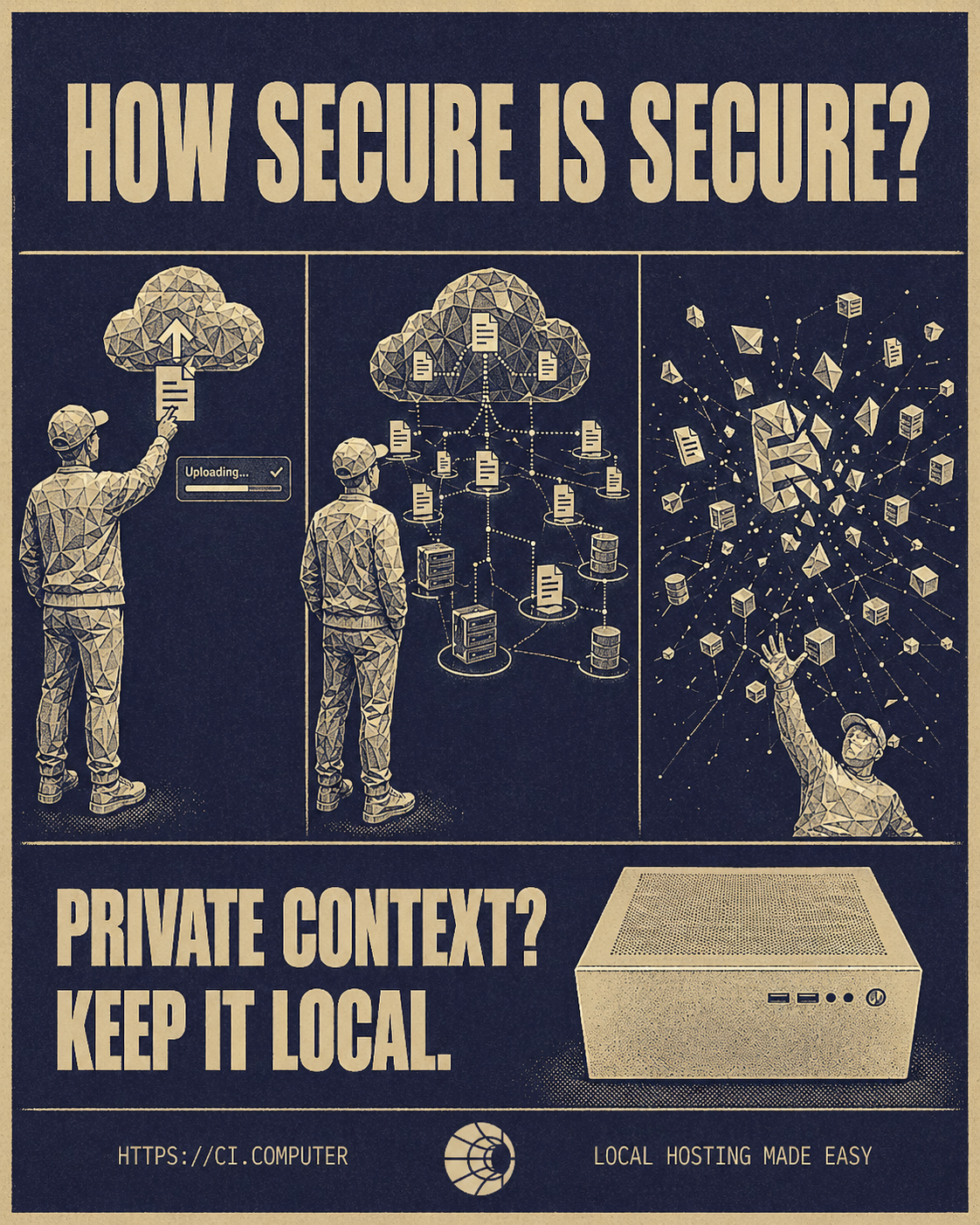
What’s In An (AI) Memory?
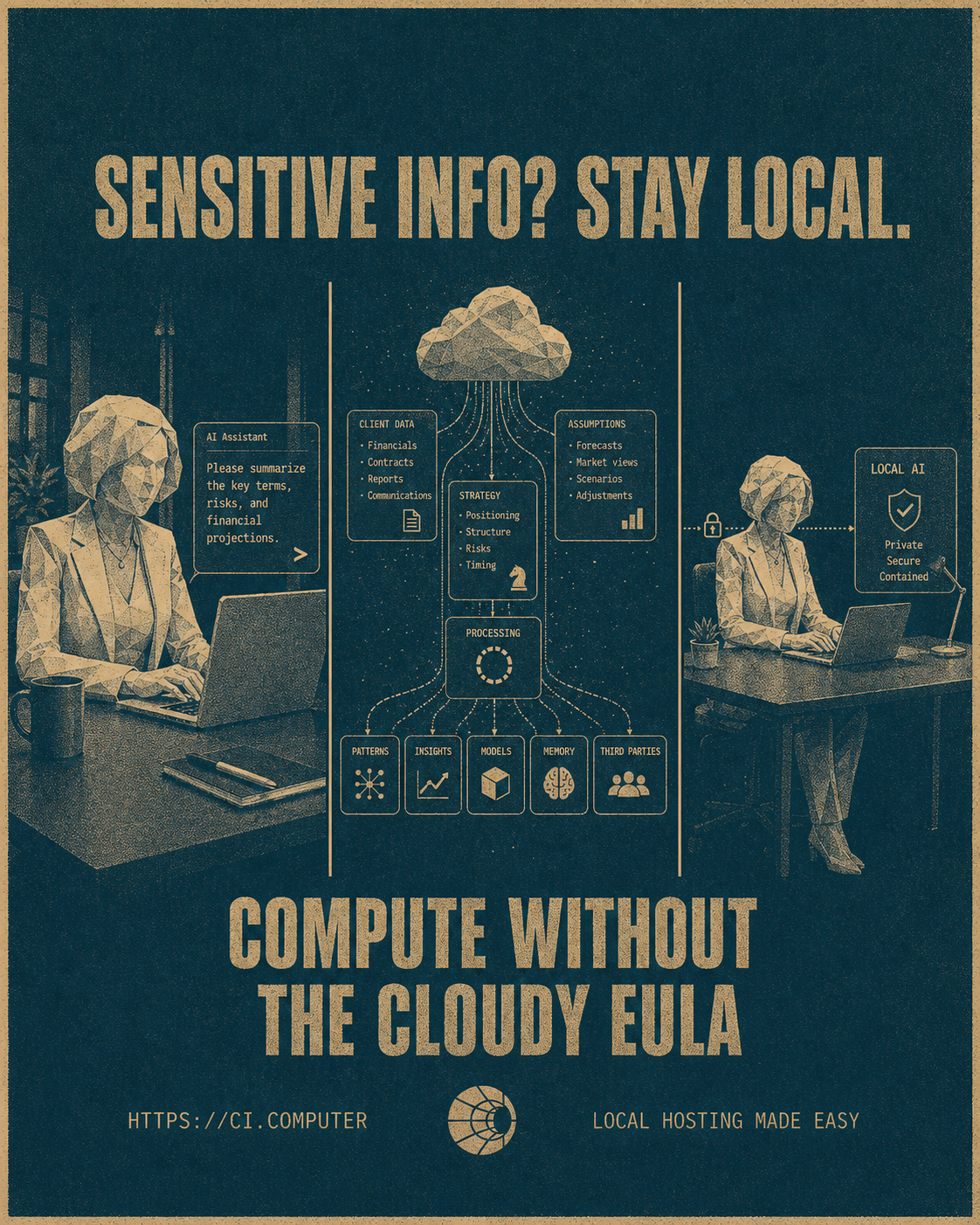
When ChatGPT remembers you, a behavioral profile of you sits on OpenAI's servers. The same memory mechanism can run entirely on your own hardware. Here is exactly how, and where the data actually lives.
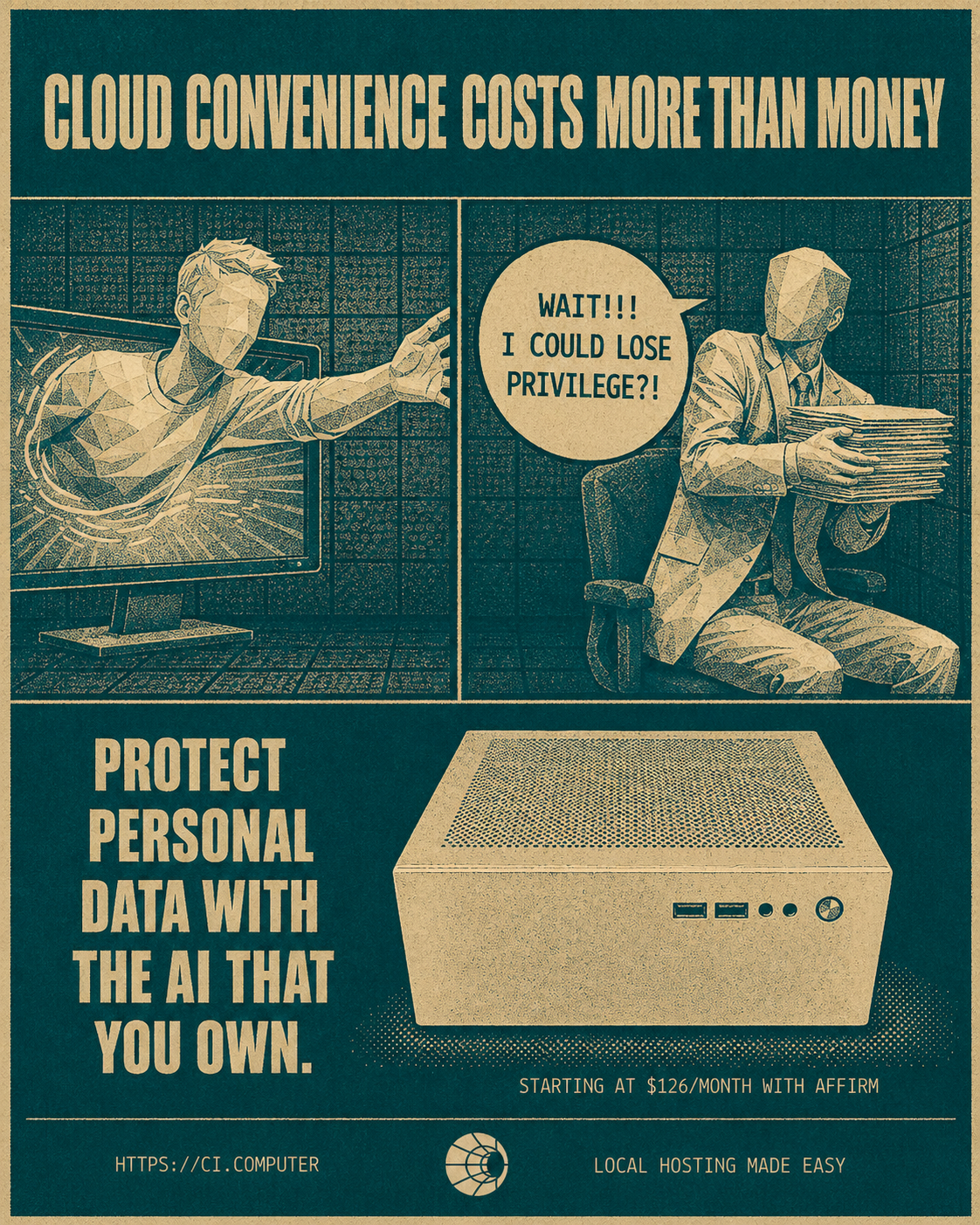
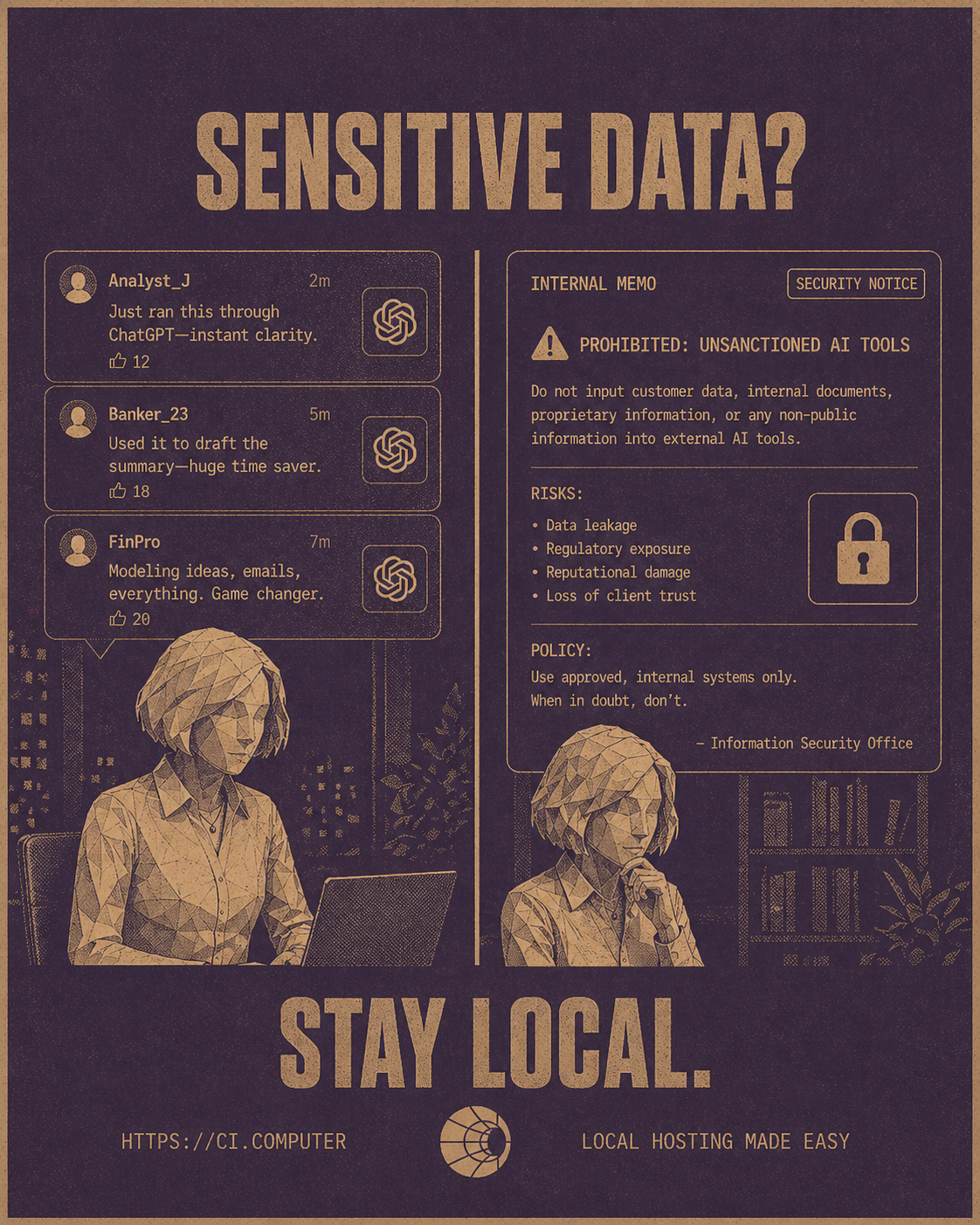
Why are 77% of Workers Leaking Company Data Through AI Tools?
77% of workers paste company information into AI tools, often through personal accounts with no enterprise protections. This post explains why the behavior is structural, not careless, why bans and policies fail, and why running AI locally is the only architectural fix that keeps sensitive data from leaving your control.
Is Jira Training AI on Your Team's Confidential Work Data?
As of a policy that takes effect August 17, 2026, Atlassian defaults Jira and Confluence cloud customers into using their content to train Atlassian's AI products. Two data types are involved: de-identified metadata and the in-app content your team writes. Every plan can opt out of the in-app content in about five minutes (Admin, Security, Data contribution). Most plans below Enterprise cannot opt out of the metadata. Enterprise has both off by default.
Save On Subscription Costs with a Self-Hosted Server
Cloud subscriptions can be replaced with self-hosted alternatives in 2026, from Google Drive, Dropbox, Notion, 1Password, Zoom, DocuSign, and Google Photos to tools like Nextcloud, Immich, AppFlowy, AFFiNE, VaultWarden, Jitsi Meet, Documenso, and Home Assistant. It positions Companion Hub as the easier path to self-hosting by offering one-click installs, helping users reduce recurring app costs while keeping more data under their own control.
Is A Personal AI Server Worth It?
A personal AI server is worth it when you use AI often, handle confidential client data, or want local control. This post explains what non-developers can actually do with local AI, when the cost math works, and where cloud AI still wins today for people who aren’t developers.